

Cat Day & Black Cat Day: 15 Years of Lessons & Forecast
Cat Day & Black Cat Day: 15 Years of Lessons & Forecast by Layla Morgan Wilde.
For fifteen years, I’ve been celebrating and blogging about International Cat Day (August 8th) and Black Cat Day (October 27th). When I started, these were obscure dates that maybe a handful of shelter workers and hardcore cat enthusiasts knew about. Today? They’re trending topics, marketing moments, and genuine cultural touchpoints.
But here’s what really strikes me as I look back: these two holidays tell very different but deeply connected stories about how our relationship with cats has transformed over the past decade and a half.

Two Holidays, Two Stories (That Keep Intersecting)
International Cat Day has become a celebration of the explosion of cat culture, the multi-billion dollar cat industry, and cats claiming their rightful place as social media royalty.
Black Cat Day tells a more nuanced story about representation, reclamation, and how changing one narrative can shift an entire culture’s perception.
Together, they map the journey of how cats went from being “the other pet” to cultural icons, and how we’ve gone from tolerating cats to obsessing over them.
The Demographics Revolution: Who’s Loving Cats Now?
When I Started blogging (2010-ish):
Cat ownership was often seen as a “default” choice. You got a cat because you worked too much for a dog, lived in an apartment, or were “that kind of person.” The typical cat owner in popular culture was either elderly, single, or quirky.
Today (2025):
Cat ownership is a badge of honor across demographics. Millennials and Gen Z have embraced cats as their perfect companions for urban living, unpredictable schedules, and smaller living spaces. Multi-cat households aren’t just common; they’re Instagram themes.
But here’s what really matters: The face of cat ownership has diversified dramatically. More Black, Latino, Asian, and LGBTQ+ pet owners are visible in cat communities, sharing their stories, and yes, specifically choosing black cats as a statement of representation and reclamation.
The Black Cat Reclamation Project (Unofficial but Real):
I’ve watched Black pet owners specifically seek out black cats over the past few years, flipping the script on centuries of superstition. When you’ve been marginalized or misunderstood yourself, there’s something powerful about choosing the cat that society deemed “unlucky.” It’s not just adoption; it’s solidarity.

When I founded Black Cat Awareness Month, I had no clue it would take on a life of its own. This year the cartoonist Simon’s Cat made a poster.
Fun fact: Several Black cat influencers have emerged with massive followings, including cats with names that directly reference their color with pride rather than apology. The aesthetics have shifted from “overcoming the black cat curse” to “celebrating black cat excellence.”
The Consumerization of Cat Love: From Litter Boxes to Luxury.
The 2010 Cat Owner Starter Pack:
• Generic kibble from the grocery store
• Clay litter (probably the cheapest one)
• A cardboard box (let’s be honest)
• Maybe a feather on a stick
• Annual vet visit if you remembered
The 2025 Cat Parent Arsenal:
• Premium grain-free, limited-ingredient, freeze-dried raw, or human-grade fresh food (subscription service, obviously)
• Silica crystal, walnut shell, tofu, or pine pellet litter (eco-friendly, naturally)
• Designer cat furniture that doubles as human decor
• Interactive electronic toys, puzzle feeders, automated lasers
• Smart litter boxes that track health metrics
• Pet insurance, dental plans, behavioral consultations
• Monthly subscription boxes tailored to your cat’s preferences.
The numbers tell the story: The pet industry has exploded, and cats are finally getting their due. In 2010, the U.S. pet industry was worth about $48 billion. By 2024, it exceeded $150 billion, with cats representing an increasingly large slice of that pie.
How International Cat Day Became a Marketing Moment:
Brands now plan campaigns around International Cat Day. Pet food companies launch limited editions. Toy manufacturers debut new products. Shelters coordinate nationwide adoption events with corporate sponsors. What was once a grassroots awareness day has become a full-blown commercial holiday.
And honestly? I’m conflicted but mostly okay with it. Because when Chewy or Purina or whoever promotes International Cat Day, they’re also promoting adoption, spay/neuter programs, and cat welfare. The rising tide is lifting all boats, even the tiny black boats that used to be left at the dock.
The Social Media Transformation: How Cats Conquered the Internet
The Early Days (2010-2013): Facebook and the First Viral Cats.
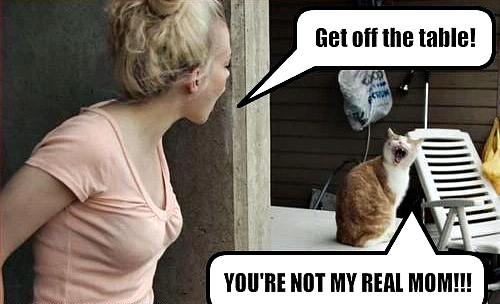
When I started blogging, Facebook was king. Grumpy Cat and Keyboard Cat were becoming sensations. Twitter’s hashtags were just taking off. Pinterest was the new kid. Instagram launched in 2010 but wasn’t yet the visual powerhouse it would become. TikTok didn’t exist.
Cat content existed, but it was novelty. Funny pictures with Impact font captions. Cute overload. The occasional viral video.
The Instagram Era (2014-2020): Cats Become Aesthetic
Instagram changed everything. Suddenly cat content wasn’t just funny; it was beautiful. Lifestyle. Aspirational. Cats were photographed like fashion models. Their homes were styled like magazine spreads.

This is where black cats had their moment. The “void” aesthetic emerged. Black cats as sleek, mysterious, elegant creatures. “House panthers” and “mini panthers” became the preferred terminology. Shelters started using this language, and it worked.
The photography mattered enormously. A well-lit photo of a black cat with visible features performed infinitely better than the old dim shelter photos where black cats looked like shadows with eyes.
The TikTok Revolution (2020-Present): Cats as Personalities
TikTok brought movement, sound, and personality back to cat content. Black cats became “the void,” often in hilarious contexts. Cat owners became storytellers, with their cats as characters. The parasocial relationship between viewers and cats deepened.

Fun fact: “Black cat energy” became a thing, describing someone mysterious, independent, and unfairly misunderstood. It’s been used as a compliment, a vibe, an aesthetic. The cultural rehabilitation is real.
YouTube’s Quiet Consistency:
While platforms rise and fall, YouTube has been the steady home for long-form cat content. Jackson Galaxy revolutionized how we think about cat behavior. Channels dedicated to cat rescues, TNR work, and daily cat life have millions of subscribers.
The AI Era: Just Beginning (And I’m Already Here)
Confession Time:
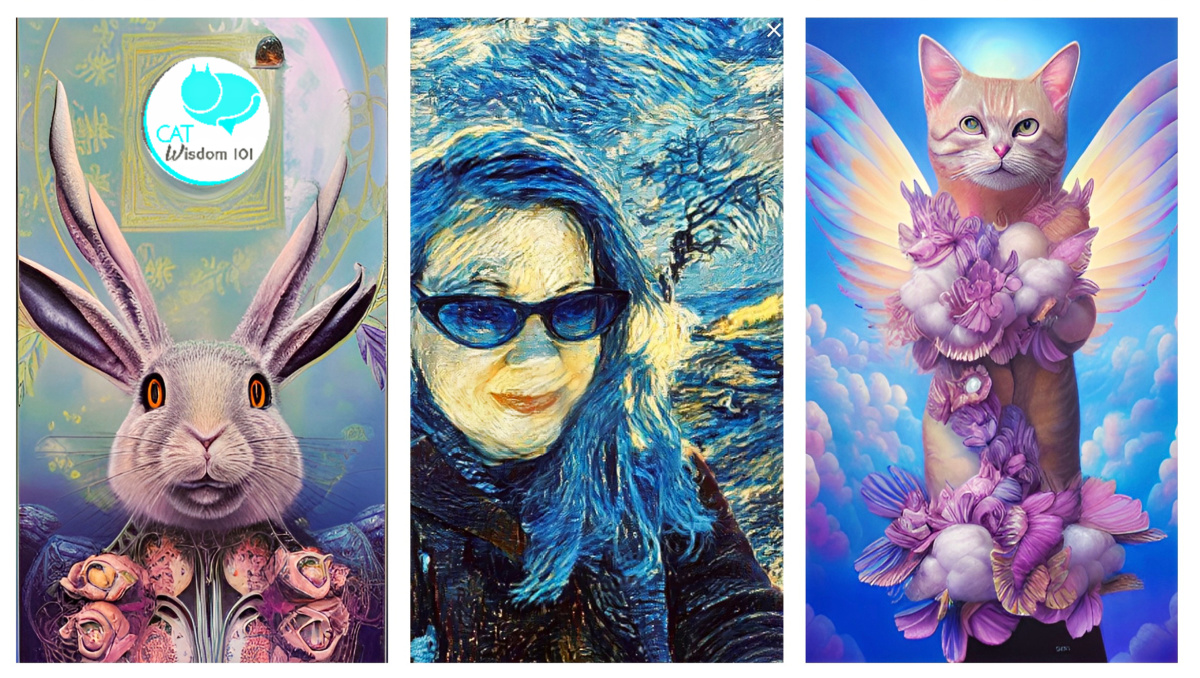
I’ve been using AI to help with blog content for at least a year now, including editing and generating cat art for posts. The technology has become good enough that AI-generated images of cats are often indistinguishable from photos (sometimes they’re better because they fix that tricky black cat photography problem).
What AI Is Already Changing:
• Content creation: Bloggers like me use AI for editing, ideation, and yes,image generation
• Personalization: Pet food companies are starting to offer AI-recommended nutrition plans
• Health monitoring: Smart litter boxes and collars that use AI to detect health changes early
• Adoption matching: Some shelters are experimenting with AI personality matching between cats and potential adopters.
Where AI Might Take Us by 2030:
I asked and this is what Claude ai wrote. Regardless, the pet industry will continue to grow.
The Optimistic Vision:
• AI-powered toys that learn and adapt to your individual cat’s play style and keep them engaged when you’re at work
• Real-time health monitoring that catches issues before they become emergencies, making vet care more preventive and less reactive
• Virtual vet consultations with AI assistance for preliminary diagnosis
• Automated feeding systems that adjust portions based on activity levels and health metrics
• Enhanced shelter marketing where AI helps create compelling adoption profiles and match cats with ideal homes
• Better education through AI tutors that help new cat owners troubleshoot behavioral issues
The Concerning Questions:
• Will AI-generated “perfect” cats set unrealistic expectations that harm shelter cat adoption?
• As AI makes cat ownership seem more manageable, will people adopt without understanding the real commitment?
• Could AI-enhanced cat products create a class divide between tech-enabled “optimal” cat care and traditional cat ownership?
• Will the authenticity of cat content suffer as AI-generated cats flood social media?
My Take: AI is a tool, and like all tools, it’s about how we use it. If AI helps more black cats get adopted because their photos are finally well-lit and beautiful, I’m here for it. If AI helps catch kidney disease early and saves lives, bring it on. But we need to stay grounded in the reality that cats are living beings with needs that go beyond optimization.
The Language Has Changed (And That Matters)
Old Language (2010):
• Black cats are “unlucky”
• They’re “harder to photograph”
• They “don’t show well” in shelters
• Adoption challenges are just “how it is”
• Black cats need “extra help” finding homes
New Language (2025):
• Black cats are “house panthers,” “mini panthers,” “voids” (affectionate)
• They’re “sleek,” “elegant,” “mysterious”
• They have “black cat energy” (positive trait)
• Photography techniques have “evolved” to showcase them
• Black cats are “having a moment”
This linguistic shift matters enormously. Language shapes perception, and perception drives behavior. When shelters started calling black cats “house panthers” instead of emphasizing their adoption challenges, adoption rates actually started improving in many areas.

What I’ve Witnessed Personally: 15 Years in the Trenches
The Questions Have Changed:
• 2010: “Are black cats really bad luck?”
• 2025: “Where can I find a black cat to adopt?”
The Comments Have Evolved:
Early on, I’d get comments defending superstitions or explaining why someone would never adopt a black cat. Now, my comment sections are full of people sharing photos of their beloved black cats, celebrating them, and actively advocating against the old stereotypes.
Reader Demographics Have Shifted:
My audience used to skew older and female. Now I hear from college students, young professionals, people of all genders, and a much more diverse readership overall. Cat content has broadened its appeal enormously.
My Own Perspective Has Deepened:
Fifteen years ago, I thought these holidays were about awareness and education. Now I understand they’re about cultural change, representation, economic shifts, and technology’s impact on how we relate to animals. The story is so much bigger than I initially realized.
Looking Forward: 2025-2030 and Beyond
My Predictions for the Next Five Years:
For International Cat Day:
• Even deeper integration with smart home technology (your cat’s feeding schedule syncs with your calendar)
• Mainstream acceptance of cat-friendly workplace policies
• Continued product innovation, particularly in sustainability and health monitoring
• Cats achieving full parity with dogs in cultural respect and commercial investment
• International Cat Day becoming a recognized day off in some progressive companies (hey, I can dream)
For Black Cat Day:
• Achieving actual adoption parity with other colored cats in most regions
• Black Cat Day becoming a celebration rather than a rescue mission
• More research into whether the perception shift has genuinely eliminated the adoption gap
• Black cat advocacy evolving to focus on other marginalized cat populations (senior cats, FIV+ cats, “less adoptable” breeds)
For Both:
• AR/VR experiences allowing potential adopters to “meet” cats remotely
• Genetic testing becoming routine for understanding health predispositions
• Climate change forcing evolution in cat care products (more sustainable litter, locally-sourced food)
• The rise of “cat cafes” and cat-friendly public spaces in more cities
• Continued blurring of lines between pet and family member in terms of legal rights and social recognition
The Question I Keep Asking Myself:
What will these holidays look like at the 20-year mark? That is really a question for the next generation and I am hopeful.
Will International Cat Day be so commercialized that it loses its meaning, or will the commercial attention actually drive even more positive outcomes for cats? Will Black Cat Day become obsolete because black cats have achieved full equality, or will we still need it as a reminder to value the overlooked?
I hope for obsolescence born of success. I hope that by 2035, Black Cat Day is a celebration of how far we’ve come rather than a call to action for how far we need to go. I hope International Cat Day is a global phenomenon that genuinely improves cat welfare worldwide, even if there are corporate sponsors involved.

What 15 Years of Advocacy Has Taught Me
Changing hearts and minds is slow work, but it happens. It happens through:
• Repetition: Showing up year after year with the same message
• Evolution: Adapting the message as culture shifts
• Visuals: Never underestimate the power of a good photo
• Story: Data informs, but story transforms
• Community: Individual voices matter, but movements change worlds
• Technology: Embracing new tools while staying grounded in real relationships with real animals
• Humor: Taking the work seriously but not ourselves too seriously (cats wouldn’t want it any other way).

The black cats I’ve met over fifteen years including the 100 in my book Black Cats Tell All have taught me that “unlucky” is a story we tell, not a truth that exists. The cat owners I’ve connected with have taught me that love for animals transcends demographics, politics, and differences. The evolution of these two holidays has taught me that culture can change faster than we think when enough people decide it’s time.
- So Here’s to Year 15, and to the Next 15
To the black cats finding homes because someone saw them on Instagram and thought “that void energy is everything.” - To the cat parents researching the perfect grain-free salmon pâté at 2 AM because only the best for their baby.
- To the shelter workers who’ve been doing this work long before it was trending and will continue long after.
- To the AI tools that might help us care for cats better, if we use them wisely.
- To International Cat Day becoming so mainstream that every day feels a little bit like International Cat Day.
- To Black Cat Day becoming unnecessary because every cat, regardless of color, is valued equally.And to all of you who’ve been reading along for some or all of these fifteen years. You’re the reason these holidays matter, because you’re the ones showing up for cats when the viral posts fade and the marketing campaigns end.
Here’s to the next chapter. I can’t wait to see what the future brings.
Now I want to hear from you: How has your relationship with cats changed over the past 15 years? Are you team “house panther” or do you have a different favorite? And what do YOU think these holidays will look like in 2030? Drop a comment below and let’s keep this conversation going into year 16.
Happy International Cat Day and Black Cat Day, whenever you’re reading this. Every day is a good day to celebrate cats. 🐈⬛🐈
xo, Layla




6 Comments
moto x3m
Thank you for sharing such insightful reflections on Black Cat Day! I appreciate how you’ve highlighted the lessons learned over these 15 years. What do you think has been the most surprising change in perceptions about black cats during this time? I’d love to hear your thoughts!
Amy Harlib
Everyday is Black Cat Day and International Cat Day in my home with Astor-kitty!
Please keep us updated about Odin.
Love, Purrs and Thanks!
Amy
messymimi
I tried to comment yesterday, but as always, it’s hard, something in your blog metric seems to block my comments.
If this goes through, I want you to know I think it’s wonderful how things are changing. It takes starting small, it takes the education and awareness portion to shift perspectives over time. For example, I want our state to pass certain laws about pets, some of which won’t be popular here (you must alter your pet if you don’t have a breeding license, no declawing, etc.). Intrudicing legislation isn’t easy, it takes years and years of explaining why it’s important to get things passed, and once you do, the current generation which is against these things doesn’t just up and change their minds.
But their children do, their children grow up “just knowing” you don’t declaw a cat and of course you have them “fixed,” it takes time, and a law by itself or advocacy by itself doesn’t do it, but it starts planting the seeds.
We’ve had several black cats, and loved them all. They are snuggle-bugs, most of them.
Layla Morgan Wilde
Thanks, Mimi. I approve all comments first but yours do get through.
Ellen J Pilch
I am usually against AI, but you have some good points of how it can help. XO
Layla Morgan Wilde
Thanks, it is just a tool and the future for better or worse